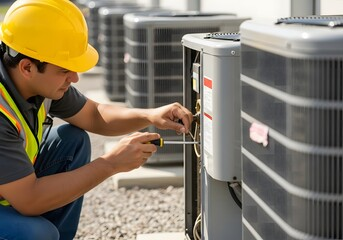
The HVAC system is one of the most complex systems in your home. A properly sized system will ensure consistent comfort and minimize energy costs.
Your technician will perform a load calculation to determine the correct size of system for your home. Look for products with high SEER and AFUE ratings that indicate efficiency and performance. For more information, visit https://garnettair.com/.
1. Consider Your Needs
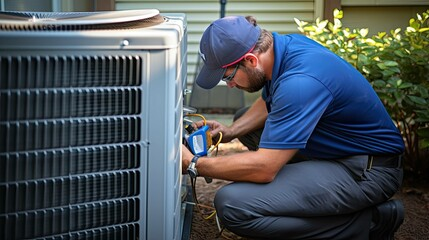
Your home’s heating, ventilation and air conditioning (HVAC) system regulates the temperature and moisture in your living space. This is a complex and critical part of your home’s comfort and energy efficiency. It’s important to choose a system that is suitable for your home size and climate. A properly sized HVAC system will be more comfortable and save you money over time.
Your house size, local weather patterns and your long-term efficiency goals will affect the type of system you need. A system that is too small will work harder to keep your home comfortable, shortening its lifespan and increasing energy bills. A professional should perform a Manual J calculation to determine the correct system size for your home.
You should also consider your home’s ductwork and insulation. A new insulated duct system will help increase your energy efficiency and reduce the amount of energy you use to heat and cool your home. Adding more insulation and sealing any leaks will also make your home more energy efficient.
Depending on your needs, you may want to look for an HVAC system with a programmable or smart thermostat that will allow you to control it remotely and maximize energy savings. You may also want to find a system that can manage humidity as well as temperature. This will help you control allergies and respiratory conditions by eliminating the growth of mold and mildew.
It’s important to remember that all HVAC systems require maintenance and routine servicing. Your expert HVAC installer can help you maintain your system to extend its life and ensure it’s operating at peak performance. Gas furnaces should be serviced once a year, and air source heat pumps should be checked every one to two years.
2. Consider Your Budget
Picking the right HVAC system is a crucial decision that impacts your home’s comfort, energy efficiency and resale value. A good place to start is by considering your energy usage and budget, along with your home’s size and climate. From there, you can decide what system type and efficiency level best suit your needs.
A key factor in choosing the right system is ensuring that your system is correctly sized. A HVAC system that is too small will struggle to heat and cool your home, leading to higher operating costs and increased wear and tear. On the other hand, a system that is too large will short cycle frequently, using up energy without providing sufficient comfort. A professional can help you determine the correct system size by performing a Manual J calculation, which takes into account various factors including window sizes, insulation levels and local climate conditions.
In addition to deciding on the type and efficiency of your new system, it’s also important to consider the total cost of ownership. In general, high-efficiency systems are more expensive than their counterparts, but they can save you money in the long run with reduced utility bills and lower maintenance expenses. Plus, many energy-efficient systems qualify for rebates and tax credits to offset upfront costs.
Once you’ve narrowed down your options, it’s time to compare pricing. Ask for system quotes from several HVAC companies, and take into consideration the installation and labor fees. Additionally, be sure to consider the long-term costs of your new system, as well as any additional features you may want to add (such as a smart thermostat). By taking the time to evaluate your options and choose a system that will meet both your home’s needs and your budget, you’ll enjoy years of reliable service from your HVAC system.
3. Consider Your Lifestyle
Having an HVAC system that matches your home design and occupant needs can significantly impact comfort, efficiency, and indoor air quality. A properly sized and positioned system reduces monthly utility bills and prevents costly repairs or replacements down the road. An energy-efficient system will also boost resale value and help the environment.
The number of occupants, appliances, and home improvements will influence heating and cooling requirements. The size, orientation, and type of windows will determine peak cooling demands, as well as the amount of solar gain. A professional will perform a Manual J load calculation to accurately determine the precise BTUs needed for your home. This helps avoid wastefully oversized systems and frustrating undersized units.
New technology makes today’s HVAC systems more efficient (and affordable) than ever before. Choosing an HVAC system with SEER ratings of 13 or higher can substantially reduce your energy bills. The right system can also be paired with smart thermostats and home automation for added control, efficiency, and comfort.
A good HVAC contractor will look at your existing air ducts, home layout, and budget to recommend the best system type for your needs. They will also discuss options for zoned heating and cooling, ductwork modifications, and air quality add-ons to optimize performance.
A top HVAC company will provide detailed quotes with installation costs, equipment specifications, warranties, and a timeline. Stay away from contractors who only give a rough estimate without evaluating your home and existing system. They may cut corners that can negatively impact performance or increase your energy bills. A quality contractor will also evaluate your attic and wall insulation to ensure proper air flow and energy savings.
4. Consider Your Local Climate
When choosing an HVAC system, your local climate will play a role. Different types of systems are better suited to different weather conditions. For example, heat pumps are great for mild climates, while furnaces are ideal for colder areas.
Your area’s humidity levels also affect how comfortable your home is. In the summer, high humidity can make your home feel stuffy and uncomfortable. Keeping humidity under 50% (40%-45% is optimal) is crucial for a comfortable indoor environment. Many traditional HVAC systems aren’t designed with humidity control in mind, leaving homes feeling muggy and causing unpleasant symptoms like itchy skin and nose bleeds. Thankfully, modern, energy-efficient HVAC systems are designed with humidity control in mind. They keep air clean and dry, so your family can enjoy a more comfortable indoor environment.
Another important factor to consider when choosing an HVAC system is the energy efficiency. Higher-efficiency HVAC systems use less energy to operate, so they can save you money on your utility bills. Look for systems with high Seasonal Energy Efficiency Ratio (SEER) ratings and ENERGY STAR certifications.
Investing in an energy-efficient system will pay off down the line, especially if you’re planning to sell your home. Studies show that an HVAC upgrade can add up to 8% to your home’s resale value.
Finally, be sure to choose a system that’s easy to maintain. Regular maintenance is vital for ensuring your HVAC system is performing at its best. Change your filters as often as recommended by the manufacturer, and schedule annual service appointments with a reputable, experienced HVAC technician. Berry says this can help extend the life of your system, saving you money in the long run.
5. Consider Your Options
The type of HVAC system you choose has a huge impact on your energy efficiency, home comfort and cost. But choosing the right system can be overwhelming when there are so many brands, sizes and features to consider. This guide will help you navigate the process, providing tips and expert advice for finding the best heating, ventilation and air conditioning system for your Summerville home.
Start by determining the size of your home and its layout to determine the ideal heating and cooling requirements. A qualified professional will be able to perform a Manual J load calculation, which takes into account various factors including square footage, home insulation and more. This information will be used to identify the correct system size, ensuring optimal performance. A system that is too small won’t keep up with demand and may cycle on and off frequently, while one that is too large will use more energy and cause excess wear and tear.
Ask potential HVAC professionals for references and testimonials from previous customers to ensure they have the experience and expertise needed to meet your needs. Additionally, it’s important to find out if the company offers maintenance services and a warranty. These services will help extend the lifespan and functionality of your new HVAC system.
Many HVAC systems come equipped with features that promote healthy indoor air quality. For example, some offer advanced filtration and humidification options that reduce allergens and respiratory problems for your family. You can also look for systems that are ENERGY STAR-certified, which means they’ve met stringent energy efficiency standards and can help you save on your utility bills. Finally, make sure to inquire about any potential rebates or incentives offered by your energy provider or manufacturers.