HVAC Round Rock systems are essential for maintaining comfortable, healthy, and energy-efficient indoor environments in both homes and commercial spaces. Whether it’s providing warmth during winter, cooling during summer, or ensuring proper air circulation and filtration year-round, HVAC systems play a crucial role in overall comfort and indoor air quality. Professional HVAC services help ensure these systems operate at peak performance, reduce energy costs, and prolong equipment lifespan. This comprehensive guide explores the importance of professional HVAC services, common system issues, preventive maintenance strategies, and the benefits of professional care for residential and commercial properties.
The Importance of Professional HVAC Services
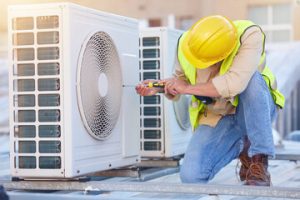
HVAC systems are intricate networks of components, including heating units, air conditioners, ductwork, thermostats, fans, and air filters. These components must work together efficiently to provide consistent indoor temperatures and air quality. When one part of the system malfunctions, it can affect overall performance, increase energy consumption, and cause discomfort for occupants.
Professional HVAC services are critical because they provide accurate diagnostics, timely repairs, and system optimization. Skilled technicians possess the knowledge and tools to identify problems quickly, ensure proper repairs, and recommend maintenance strategies or system upgrades. Professional care not only restores performance but also extends the life of HVAC equipment, reduces energy consumption, and enhances indoor comfort and air quality.
For homeowners, professional HVAC services mean reliable heating and cooling, healthier indoor air, and lower utility bills. For businesses, these services ensure a productive work environment, maintain equipment reliability, and provide a safe and comfortable setting for employees and clients.
Common HVAC Problems and How Experts Fix Them
HVAC systems can experience a wide range of issues, from minor inefficiencies to major component failures. Understanding common problems helps property owners recognize when professional intervention is needed.
- Inconsistent Heating or Cooling
- Uneven temperatures in different areas of a building often indicate airflow issues, thermostat malfunctions, or imbalanced ductwork. HVAC professionals inspect airflow, recalibrate thermostats, and repair or adjust system components to restore consistent temperatures throughout the property.
- Dirty or Clogged Filters
- Air filters trap dust, pollen, and other airborne particles, protecting the system and improving indoor air quality. Over time, filters become clogged, restricting airflow and reducing system efficiency. Professionals clean or replace filters to ensure optimal airflow and performance.
- Refrigerant Problems
- Air conditioners rely on refrigerant to cool the air effectively. Low refrigerant levels due to leaks can reduce cooling capacity and strain the compressor, leading to higher energy usage and potential equipment damage. HVAC experts locate leaks, repair affected components, and recharge the system to proper levels.
- Electrical Failures
- Faulty wiring, blown fuses, or malfunctioning capacitors can cause the system to operate inconsistently or stop working entirely. Skilled technicians safely repair electrical components to restore reliable performance.
- Strange Noises or Odors
- Unusual sounds such as buzzing, grinding, or rattling often signal mechanical or electrical issues. Foul odors may result from mold, mildew, or accumulated debris. Professionals identify the source and perform repairs or cleaning to restore safe and quiet operation.
- Water Leaks or Ice Formation
- Condensation leaks or ice buildup on coils indicate drainage or airflow problems. HVAC technicians inspect and correct these issues to prevent damage and maintain optimal system performance.
Addressing these problems promptly ensures the HVAC system operates efficiently, improves indoor comfort, and prevents costly long-term repairs.
Residential HVAC Services
Homeowners rely on HVAC systems for consistent comfort, energy efficiency, and healthy indoor air. Professional residential HVAC services include installation, repair, maintenance, and system upgrades.
- Installation: Proper system sizing and installation are critical for optimal performance. Professionals evaluate home size, insulation, and climate conditions to select and install the ideal HVAC system.
- Repair: Timely repairs address mechanical, electrical, or refrigerant issues, restoring efficient heating and cooling.
- Maintenance: Regular maintenance, including filter changes, coil cleaning, and system inspections, prolongs system life and ensures year-round comfort.
- Upgrades: Energy-efficient components, smart thermostats, and improved air filtration enhance comfort, reduce energy bills, and improve indoor air quality.
Professional residential HVAC services ensure that homeowners enjoy consistent indoor temperatures, improved air quality, and reduced energy consumption throughout the year.
Commercial HVAC Services
Commercial spaces, including offices, retail stores, and industrial facilities, require reliable HVAC systems to support business operations, employee productivity, and customer satisfaction. Professional commercial HVAC services address the unique needs of these environments:
- System Design and Installation: Large or complex spaces require customized HVAC solutions, including zoning, high-capacity units, and specialized ductwork for optimal air distribution.
- Repair and Troubleshooting: Quick identification and resolution of mechanical, electrical, or refrigerant issues minimizes downtime and maintains comfortable working conditions.
- Preventive Maintenance: Scheduled inspections and servicing prevent system failures, reduce energy costs, and extend the life of commercial HVAC equipment.
- Energy Efficiency Upgrades: High-efficiency components, smart controls, and optimized duct systems improve energy performance and reduce operating costs.
Reliable commercial HVAC services help businesses maintain consistent indoor temperatures, protect sensitive equipment, and create a safe and comfortable environment for employees and clients.
Preventive HVAC Maintenance
Preventive maintenance is a cornerstone of professional HVAC services. Routine inspections and servicing prevent breakdowns, improve energy efficiency, and extend system lifespan. Key maintenance tasks include:
- Filter Cleaning or Replacement: Regularly cleaning or replacing filters improves airflow, reduces energy usage, and enhances indoor air quality.
- Coil Cleaning: Evaporator and condenser coils accumulate dirt over time, reducing heat exchange efficiency. Cleaning coils ensures optimal system performance.
- Refrigerant Level Checks: Maintaining proper refrigerant levels prevents strain on compressors and ensures effective cooling.
- Electrical Inspections: Checking wiring, capacitors, and connections prevents electrical failures and ensures safe operation.
- Ductwork Evaluation: Sealing leaks, insulating ducts, and optimizing airflow improve efficiency and maintain even temperatures throughout the building.
Many HVAC providers offer seasonal maintenance plans, scheduling inspections and servicing before peak heating or cooling periods. These plans help property owners avoid emergency repairs, reduce energy costs, and maintain consistent comfort year-round.
Energy Efficiency Benefits
A properly maintained HVAC system not only provides comfort but also reduces energy consumption and operating costs. Professional HVAC services enhance energy efficiency by:
- Fixing duct and refrigerant leaks to prevent wasted energy
- Cleaning and replacing filters and coils for optimal airflow and heat exchange
- Repairing or upgrading worn mechanical components
- Calibrating thermostats and integrating smart controls to optimize system operation
Energy-efficient HVAC systems deliver consistent comfort while reducing utility bills and environmental impact, making them a valuable investment for both residential and commercial properties.
Indoor Air Quality Improvement
HVAC systems play a significant role in maintaining healthy indoor air. Professional services improve air quality through:
- High-Quality Filtration: Advanced filters capture dust, pollen, and other airborne particles.
- Humidity Control: Maintaining optimal humidity levels prevents mold growth and reduces allergens.
- Air Purification Systems: HEPA filters, UV lights, and ionizers remove contaminants and improve overall indoor air quality.
Better air quality contributes to healthier living and working environments while supporting HVAC system efficiency.
Signs You Need Professional HVAC Services
Recognizing early warning signs can prevent costly repairs and maintain comfort. Common indicators include:
- Inconsistent indoor temperatures or uneven airflow
- Strange noises or odors coming from the system
- Water leaks or ice buildup
- Frequent cycling or short-cycling of the system
- Increased energy bills despite normal usage
- Poor indoor air quality or lingering allergens
Early intervention by professional HVAC technicians ensures problems are addressed promptly, avoiding further damage and restoring reliable system performance.
Choosing a Professional HVAC Service Provider
Selecting a reliable HVAC service provider is essential for long-term system performance. Consider these factors:
- Experience and Expertise: Technicians should have extensive experience with various HVAC systems and brands.
- Comprehensive Services: Providers offering installation, repair, maintenance, and upgrades provide complete solutions.
- Response Time: Fast, efficient service minimizes downtime and maintains comfort.
- Quality Components: Use of high-quality replacement parts ensures long-lasting repairs and system reliability.
- Maintenance Plans: Scheduled preventive maintenance reduces repair needs and enhances energy efficiency.
A trusted HVAC service provider delivers consistent performance, improved indoor air quality, and reliable heating and cooling for both residential and commercial spaces.
Visit our Professional Services Blogs
Smart Choice Plumbing And Air, Sanitize My Airducts, Bethesda Locksmith, Golden Coast Cleaners, Advanced Concrete Staining, Home Pool Cleaners, Brayhines Septic, Shaka Pool And Spa Cleaning,Mr Clean And Shine, Best Appliance Repair Long Beach, Gulf to Bay Water Remediation, Garage Door San Francisco, Richmond Flooring, Fence Builders Woodlands, Colorado Springs Auto, Fuel Frontlines, Expert 24 Option, Sacramento Roseville Real Estate, SLO Homes, Philadelphia Towing, State Powerwashing, Truck Tires Worldwide, Website Translation, Construction Company Farmington NM, Green Home Los Angeles, Trinity SEO Marketing, Electric Fireplaces, Argos Bookkeeping, Christopherson Drywall,Garage Door Installation, Missouri Personal Injury Lawyer Blog, Alvins Auto Body, Carpet Care Pros, Las Vegas Concrete, Clark Concrete Company, Deck Builders Missour City, Lechleitner Builders, Medical Health Insurance Policy, Royal Siding Windows, Carpet Steam Cleaners Review, Go Greeen Lawn Painting, Oakwood Skate Deck, Texas Home Remodeling And Painting, USA Home Repair Remodeling, Dream Home Remodeling Services, Brent Lawn Homes, Great Ernm Homes, Accelerated Orthodontic, Arctic Cooling And Heating, Baltimore Heating And Airconditioning