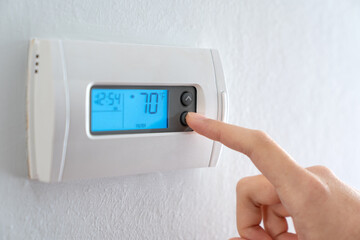
Creating Year-Round Comfort with Heating and Airconditioning

heating and cooling

A comfortable indoor environment is essential for every home and workplace. Heating and air conditioning systems make this possible by maintaining ideal temperatures throughout the year. In the colder months, heating systems keep spaces warm and cozy, while during hot seasons, air conditioning units provide cool, refreshing air. Together, these systems create a balanced and healthy living environment, improving comfort, efficiency, and even health.

This article explores the basics of heating and air conditioning, their benefits, how they work, and practical tips to ensure they perform at their best—all without mentioning specific names, brands, or locations.

The Importance of Climate Control

Heating and air conditioning systems are more than just appliances. They are vital for maintaining a comfortable indoor climate regardless of outdoor conditions. Proper climate control:

  • Keeps living and working spaces pleasant year-round.
  • Protects furniture, electronics, and building materials from extreme temperatures and humidity.
  • Enhances productivity and focus in workplaces.
  • Supports health by reducing allergens and controlling indoor air quality.

For many households and businesses, reliable heating and cooling are not luxuries—they’re necessities for daily life.

Understanding Heating Systems

Heating systems come in various forms, but their primary function is to generate and distribute warmth. Common types include:

  • Furnaces or boilers that use fuel or electricity to produce heat and distribute it through ducts or pipes.
  • Heat pumps can provide both heating and cooling by transferring heat between the indoors and outdoors.
  • Radiant heating systems that warm floors or panels to gently heat rooms.

A well-designed heating system not only maintains warmth but also helps regulate humidity and ensures even temperature distribution.

Understanding Air Conditioning Systems

Air conditioning systems remove heat and humidity from indoor air to create a cooler, more comfortable environment. They generally work by:

  • Drawing warm indoor air over coils filled with refrigerant to absorb heat.
  • Releasing the absorbed heat outdoors.
  • Circulating the cooled air back into the indoor space.

Air conditioning also plays a role in improving indoor air quality by filtering dust, allergens, and other particles. This can be especially helpful for people with allergies or respiratory conditions.

Combined Heating and Cooling

Many modern systems integrate both heating and air conditioning into a single unit, allowing for seamless climate control year-round. This approach can be more energy-efficient and easier to maintain than having separate systems.

By using programmable thermostats or smart controls, homeowners can set schedules and optimize temperatures, which not only enhances comfort but also reduces energy costs.

Benefits of Well-Maintained Systems

Regular maintenance is key to keeping heating and air conditioning systems running efficiently. Proper care can:

  • Extend the lifespan of equipment.
  • Reduce energy bills by ensuring systems operate at peak performance.
  • Improve indoor air quality by keeping filters and ducts clean.
  • Prevent unexpected breakdowns during extreme weather.

Routine tasks like replacing filters, checking for leaks, and scheduling professional inspections help maintain system efficiency and safety.

Energy Efficiency and Sustainability

Energy efficiency is becoming an important factor in heating and air conditioning. Modern systems are designed to use less energy while delivering the same or greater comfort. Homeowners can also improve efficiency by:

  • Sealing drafts and insulating walls, floors, and attics.
  • Using ceiling fans to help circulate air.
  • Installing programmable thermostats to avoid unnecessary heating or cooling when no one is home.
  • Keeping vents and registers unblocked to ensure even airflow.

These measures not only reduce energy costs but also lessen the environmental impact of heating and cooling.

Indoor Air Quality Matters

Heating and air conditioning systems do more than control temperature—they also influence indoor air quality. Clean air filters and well-maintained ducts can reduce dust, mold, and other pollutants. Adding features like humidifiers or dehumidifiers to systems can also help balance indoor moisture levels, which can benefit both health and the home’s structure.

Poor air quality can lead to health issues such as allergies, asthma, or general discomfort. A well-maintained system ensures the air you breathe indoors is fresh, clean, and healthy.

Signs Your System May Need Attention

Knowing when your heating or air conditioning system needs maintenance or repair can save time and money. Some warning signs include:

  • Unusual noises like rattling, banging, or hissing.
  • Inconsistent temperatures in different rooms.
  • Rising energy bills without increased usage.
  • Weak airflow or unpleasant odors coming from vents.
  • Frequent cycling on and off.

Addressing these issues promptly can prevent more serious and costly problems later.

Choosing the Right System for Your Space

When installing or upgrading a heating or air conditioning system, it’s important to consider:

  • Size and layout of the space – The system should match the area it needs to heat or cool.
  • Energy efficiency ratings – Higher ratings typically mean lower long-term costs.
  • Maintenance requirements – Choose a system that’s easy to service and maintain.
  • Local climate – Some systems perform better in specific weather conditions.

Professional guidance can help ensure the system is properly sized and installed for maximum performance and comfort.

Tips for Maximizing Performance

To keep your system operating efficiently and effectively:

  • Replace or clean air filters regularly.
  • Keep outdoor units free from debris such as leaves and dirt.
  • Check and seal ductwork to prevent air leaks.
  • Schedule annual inspections by qualified technicians.
  • Adjust thermostat settings seasonally for energy savings.

These simple practices can go a long way toward preserving comfort and reducing expenses.

The Future of Heating and Air Conditioning

Advances in technology are making heating and air conditioning systems smarter and more efficient. Features like remote controls, energy usage monitoring, and adaptive learning allow systems to adjust automatically based on user preferences and outdoor conditions.

There’s also a growing focus on sustainable heating and cooling solutions that use renewable energy sources and environmentally friendly refrigerants. These innovations promise to deliver greater comfort with less environmental impact.

Creating a Comfortable and Healthy Home

Heating and air conditioning systems are central to creating a comfortable, safe, and healthy indoor environment. By understanding how these systems work and taking steps to maintain them, homeowners can enjoy consistent temperatures, cleaner air, and lower energy costs throughout the year.

Whether it’s the warmth of winter or the cool relief of summer, a reliable heating and air conditioning system transforms a house into a haven of comfort. With proper care, these systems provide not just climate control, but peace of mind.

How Long Does a Typical Home Inspection Take?

How Long Does a Typical Home Inspection Take

Home Inspection San Antonio help homebuyers gain a greater understanding of the property they are purchasing. They can identify major repairs needed, potential oversights by the builder, and general maintenance that should be done to keep the property in good condition.

Inspectors take their time walking through the property, snapping photos and writing notes on tablets. Untidy rooms and crawl spaces full of junk slow the process down, as do attic openings blocked by insulation.

The Size of the Home

Home inspectors must consider the size of a house when estimating how long an inspection will take. A two-story home, for example, will require more time to inspect than a single-story property. Larger homes typically have more rooms, bathrooms, and basements that need to be inspected. They also often have more complex plumbing, sewer and electrical systems that are harder to navigate.

The age of the home can also affect how long an inspection takes. Older homes are more likely to have aging issues that need to be addressed, such as roof leaks or outdated electrical wiring. These problems can be more difficult to identify than newer ones.

In addition to considering the number of rooms and levels, home inspectors also need to take into account any special features of the house, such as a swimming pool or a fireplace. These features may need to be inspected by a specialist in order for them to pass inspection.

A final factor that can affect how long a home inspection takes is the condition of the house when it is inspected. If the house is clean and well-maintained, the inspector can move through it more quickly. Inspectors will also spend more time examining areas that are easy to clean, such as doorknobs and light switches.

As a seller, you can help speed up the process by making sure that your home is in good condition. It’s best to make any necessary repairs before the inspection so that there are no surprises on your report. A few small fixes can significantly reduce the number of items your home inspector needs to address, which can save you a lot of time and money down the line.

Home buyers should also be prepared for a longer home inspection if the property has been previously occupied. This is because previous owners are more likely to have left behind traces of lead or asbestos and other health hazards. Homebuyers can ask for certain things to be inspected, such as water pressure and mold levels, or negotiate a lower purchase price if serious problems are discovered.

The Age of the Home

The age of a home can play a role in how long it takes to inspect. Older homes are more likely to have problems that need fixing, such as plumbing issues and structural movement or damage. This may be because older homes were built in different standards than newer ones, or because of the underlying materials used that have since deteriorated.

In addition, the older a home is, the more likely it is to have unfinished spaces that aren’t being properly insulated or ventilated. These areas can be breeding grounds for mold and other health-related issues. This is why it’s so important that any unfinished space be inspected. The inspector will take the time to assess the insulation and ventilation, and may use tools such as a thermal imaging camera or a moisture meter to ensure these spaces are safe.

When determining the age of a home, it’s best to check with a reputable real estate agent, a home inspector or a building inspector to verify the year-built date. This can be verified through deed records, Multiple Listing Service (MLS) and advertising history, housing permits, physical inspections and other relevant information. In many cases, the effective age of a home is the date when the roof was put on and the interior systems were enclosed with drywall—not when the carpet or appliances were installed, or when the Certificate of Occupancy was issued.

The weather can also have a significant impact on how long it takes to inspect a home. Severe weather conditions can make it harder for the inspector to get a complete look at all of the elements of a home, and could delay the completion of the home inspection report. In some cases, severe weather can even require a home inspection to be rescheduled.

Homebuyers who are interested in a specific property often want to know as much as possible about the condition of the home before they purchase it. A thorough home inspection can uncover safety issues, repair needs and other problems that could result in major expenses down the road, so buyers can make confident decisions about their potential investment.

The Complexity of the Home

Homebuyers make a significant investment when they buy their new property, and it is essential to understand the condition of the house. A professional inspection will help buyers spot any issues that might need to be addressed before closing. It will also highlight any repairs that have been overlooked by the builder or previous owners. Inspectors use a checklist when inspecting homes, and the items on the list can affect how long the inspection takes.

During a home inspection, inspectors examine the interior and exterior of the structure. This includes the roof, attic, and visible insulation; the plumbing system; electrical systems; foundation, basement, and structural components; and windows and doors. Inspectors may also use special equipment such as thermal imaging cameras, moisture meters, and voltage testers to evaluate the home. For example, a thermal imaging camera can detect temperature differences on walls and ceilings that could indicate leaks or insulation problems, and a moisture meter can be used in the basement to identify dampness or moisture.

Older homes are often more complex than newer ones, and they may require more time to inspect. This is because older houses may have outdated systems or they might have been poorly maintained over the years. Inspectors will also have to take extra safety precautions when entering a basement or crawlspace to look at plumbing and wiring.

If a home has more than one heating or cooling unit, multiple water heaters, or other complicating systems, the inspection will take longer. Inspectors will need to spend more time on each of these systems to assess their condition and determine if they are functioning properly.

When the inspector finishes their walkthrough of the home, they will compile a report that will include photos and descriptions of any issues they found. These reports can be delivered within a few days, and they will be made available to the buyer, seller, and their agents.

Homebuyers should have an idea of how long a typical home inspection typically takes before they schedule it. It will help them choose an inspector who will take the time they need to ensure they get a complete, accurate report on their new property.

The Inspection Company

Home inspections can be one of the most important aspects of the buying process, protecting homebuyers from buying a money pit. They are also an excellent opportunity for buyers to negotiate with sellers regarding repair costs, credits toward repairs, and even the ability to walk away from the deal without penalty.

Home inspectors use a wide variety of tools and equipment to evaluate properties, including thermal imaging cameras, moisture meters, electrical testers, and more. The amount of time each of these items takes to run and interpret will impact the overall inspection duration. Regardless of the specifics, most home inspectors spend two to four hours on average for a typical sized house.

For large houses with lots of additional features like basements, crawl spaces, and attics, the total inspection time may be significantly longer. It is crucial for buyers to have realistic expectations and ensure that their chosen inspector has enough time available to do the job properly.

A home inspector can provide a detailed report on a property, identifying current and potential issues that need to be addressed before purchasing the home. These can be structural problems, safety hazards, or simply items that need to be updated. If the issue is major, it can give the buyer leverage to request credits from the seller, renegotiate the price of the home, or even walk away from the purchase entirely.

In addition to evaluating existing homes, home inspectors can also conduct inspections of new construction. These typically take a little longer than a general home inspection, since the inspector must first review plans and submit them to the local building department for approval. Home inspectors can also work on a contract basis for developers, performing pre-construction inspections on commercial and residential buildings before they are constructed.

Finally, a home inspector can also perform specialized inspections such as a disaster inspection or a Section 8 inspection. Disaster inspections focus on damage rather than the quality of a house, while a Section 8 inspection verifies that a property is fit for habitation before a housing subsidy is paid out.